Physiology Topics for Presentation for Confident Explanation
Physiology is the study of how the human body works. For a strong presentation on the same, choosing the right physiology topics for presentation is crucial to clearly explain body processes with simple diagrams.
In this complete guide, I’ll share practical physiology topics that are easy to present and easy to understand for users at any skill level. But before moving on to the queries, do you know how to structure a physiology presentation? These are different from persuasive presentation topics or general ones, so their structure is completely different.
So, first let me explain the same to make engaging PowerPoint presentations!
How to Structure Any Physiology Presentation?
Choosing the right presentation topics is crucial, but knowing the proper structuring is also a mandatory task to make a positive impact on your audience throughout the presentation:
Here’s the flow which I personally used:
- Real-life situation
- Definition
- Simple diagram
- Step-by-step mechanism
- Real-life importance
- Possible questions
This structure makes even a simple topic look impressive. You can modify this according to your preferences. However, it is recommended to keep your physiology presentation point-to-point and try to use 5 minute presentation topics, in which diagrams say more than text.
Next, I’ll share all possible and interesting topics for the physiology category.
Cardiovascular Physiology Topics for PPT
These topics are relatable because everyone understands heart rate and blood pressure. Your audience will easily connect if you present any of these queries:
- Regulation of Blood Pressure in the Human Body
- Cardiac Cycle and Heart Sounds Explained
- Role of Baroreceptors and Chemoreceptors
- Coronary Circulation and Its Clinical Importance
- Physiological Changes in the Body
- Hypertension: What Happens Inside Blood Vessels
- Exercise and Its Effect
- Fetal Circulation vs Adult Circulation
- ECG Basics and Wave Interpretation
- Heart Failure from a Physiological View
How to present these topics:
- Start with: Why does BP increase during stress or exercise?
- To support your text, draw a simple heart diagram.
- End by explaining why BP monitoring is important in daily life.
Respiratory Presentation Topics for PPT
These are audience interaction queries:
- Mechanism of Breathing
- Gas Exchange in Alveoli
- Oxygen Transport in Blood
- Regulation of Respiration by the Brain
- Hypoxia and Its Effects
- High Altitude Physiology and Acclimatisation
- Artificial Ventilation and Respiratory Physiology
- Asthma and Airway Changes
- Carbon Dioxide Transport
- Diving Physiology and Pressure Effects
If you choose any of these queries, then prepare for possible questions from your audience.
Nervous System Physiology Topics for Presentation
These topics are always engaging and fascinating, as almost all the users understand and are curious to know about this:
- Transmission of Nerve Impulse
- Synapse and Neurotransmitters
- Reflex Action and Reflex Arc
- Sympathetic vs Parasympathetic
- Sleep Physiology and Sleep Cycles
- Pain Pathway and Pain Perception
- Memory Formation
- Parkinson’s Disease and Neural Dysfunction
- Brain Death vs Coma
- Role of the Hypothalamus in Regulation
Endocrine Physiology Topics
Excellent for explaining hormonal balance and disorders:
- Mechanism of Hormone Action
- Thyroid Hormone and Metabolism
- Insulin and Blood Glucose Regulation
- Cortisol and Adrenaline Explained
- Puberty and Hormonal Changes
- Menstrual Cycle Physiology
- Diabetes Mellitus from a Physiological View
- Growth Hormone and Development
- Feedback Mechanisms in the Endocrine System
- Obesity and Hormonal Imbalance
These queries are generally searched by females, so whenever you present, ensure that your audience includes females also.
Renal (Kidney) Physiology Topics for Presentation
Highly appreciated in medical and nursing presentations:
- Formation of Urine Step by Step
- Glomerular Filtration Rate (GFR)
- Counter Current Mechanism
- Regulation of Electrolytes
- Acid-Base Balance by Kidneys
- Renin-Angiotensin-Aldosterone System (RAAS)
- Dehydration and Kidney Response
- Dialysis and Kidney Physiology
- Diuretics and Their Impact
- Kidney Failure: Physiological Changes
Digestive System Physiology Topics
These topics connect with daily life and nutrition:
- Mechanism of Digestion and Absorption
- Role of Enzymes in Digestion
- Liver Functions in Metabolism
- Gastric Juice Secretion and Regulation
- Gut Motility and Peristalsis
- Role of Microbiota
- Vomiting Reflex
- Malabsorption Syndrome
- Bile Secretion and Fat Digestion
- Effects of Fasting on Digestive Physiology
Muscle and Exercise Physiology Topics→
Very engaging and easy to demonstrate:
- Muscle Contraction Mechanism
- Types of Muscle Fibers
- Muscle Fatigue: Why It Happens
- Physiology of Exercise and Endurance
- ATP Production During Exercise
- Lactic Acid and Muscle Pain
- Neuromuscular Junction
- Post-Exercise Recovery
- Effect of Training on Muscles
- Cramps and Muscle Spasm Physiology
Special and High-Scoring Physiology Topics for Presentation→
These topics are unique and impressive:
- Physiology of Sleep and Dreams
- Stress and Its Effect on the Body
- Aging and Physiological Changes
- Effect of Meditation on Physiology
- Circadian Rhythm and Biological Clock
- Space Physiology
- Physiology of Fever
- Physiology of Pain
- Psychophysiology: Mind-Body Connection
- Effects of Environment on Human Physiology
How to Turn These Topics into a Presentation Using AI→
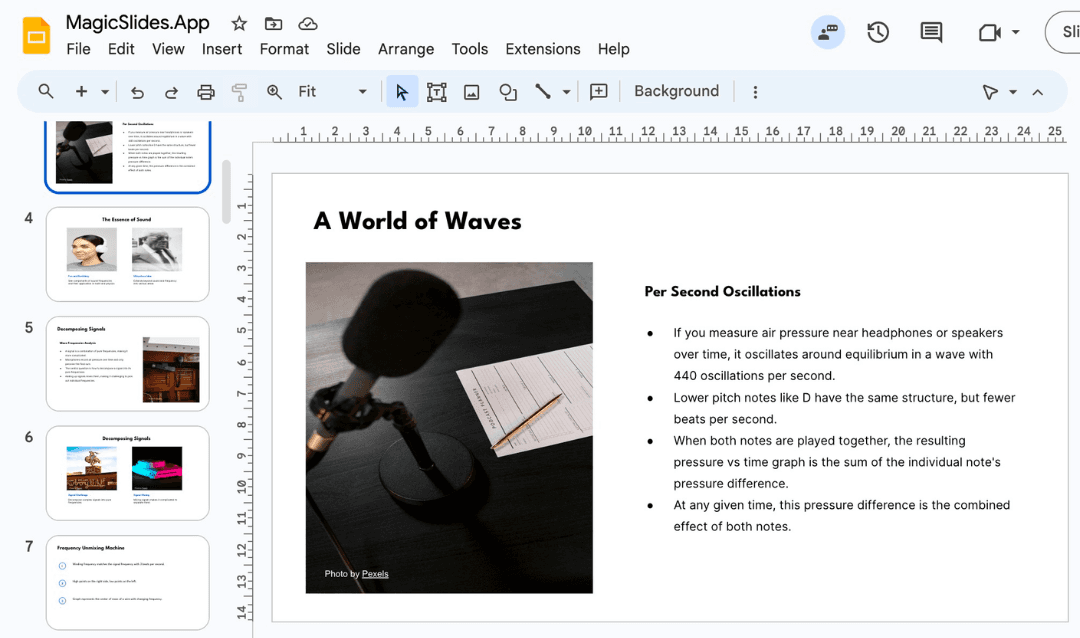
After selecting the physiology topic and planning the flow, don’t start designing slides from scratch. Instead, leverage MagicSlides AI PPT Maker for free to make the entire process automatic.

Why am I Suggesting This?→
Presenting physiology topics becomes challenging when your slides lack proper text and supporting diagrams.
With MagicSlides AI, you can make this task a breeze by pasting your topic outline in its text box, and it automatically generates a polished PPT for you. This saves a lot of time on formatting and slide design.
Look no further! Just opt for this now, and create a complete slide deck in minutes without any manual intervention.
Best Practices to Score Higher→
To make your presentation stand out, always include:
- One real-life question at the start
- A simple diagram
- Step-by-step mechanism
- One disease or clinical link
- One interesting fact
- A real-life conclusion
- Preparation for 2–3 expected questions
Author’s Verdict→
With the right physiology topics for presentation and the right presentation structure, you can turn even a simple physiology concept into an engaging presentation.
So, choose any of them, and start creating your presentation today. Additionally, to make a professional and impactful slide deck, it is suggested to try the specified AI-powered presentation solution for free.
Create PPT using AI
Just Enter Topic, Youtube URL, PDF, or Text to get a beautiful PPT in seconds. Use the bulb for AI suggestions.
character count: 0/ 6000 (we can fetch data from google)
upload pdf, docx, .png
less than 2 min